
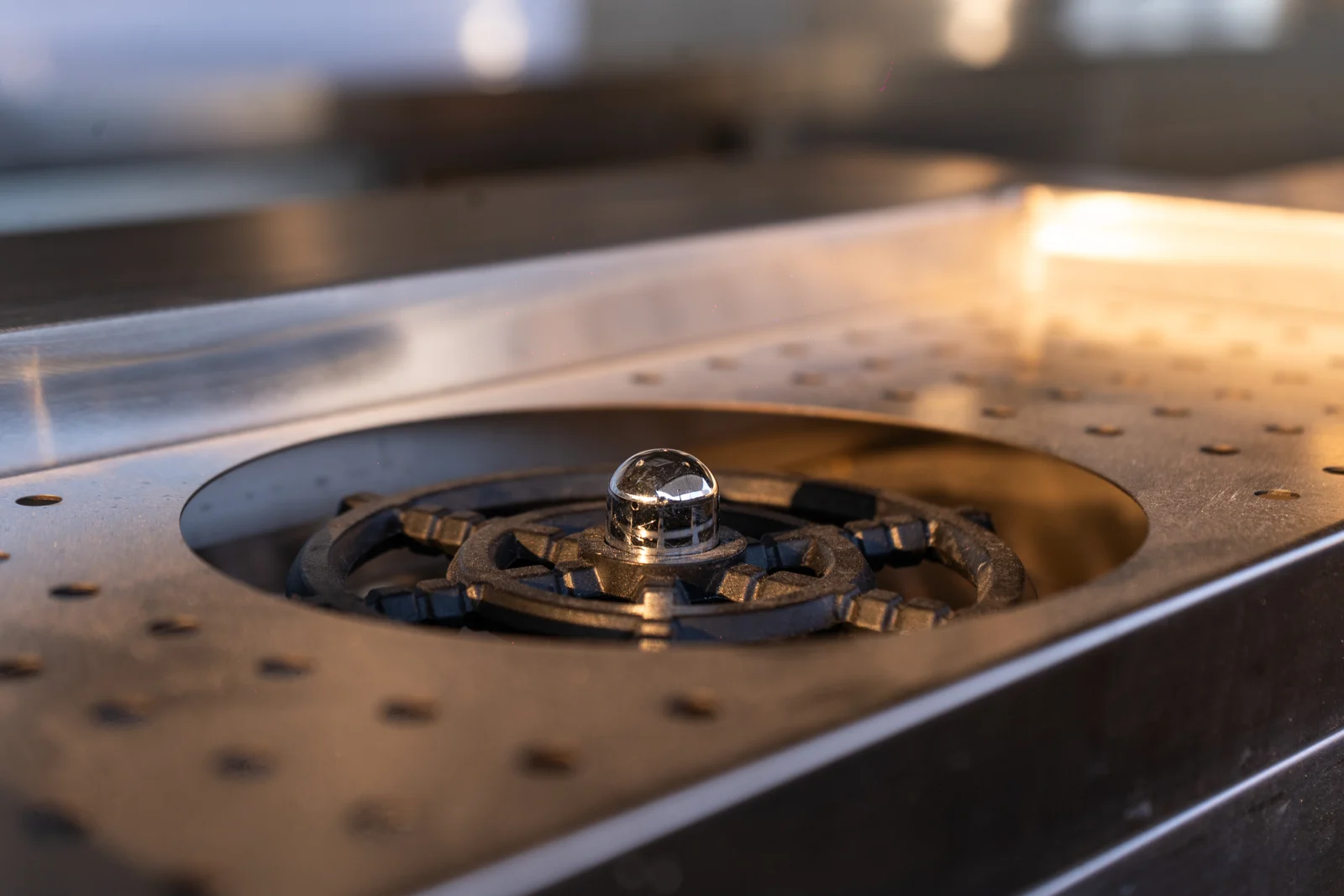
Gas (most often propane / propane-butane) is one of the most practical ways to reduce electricity demand and increase self-sufficiency at events in a food trailer or food truck. At the same time, gas is not something to improvise with – proper system design, safe cylinder placement, quality components and regular checks are essential.
Why consider gas at all?
At festivals and markets, electricity is often limited, expensive or unstable. Gas lets you move large loads off the electrical supply (cooking, heating) and keep electricity for refrigeration, lighting, POS and sensitive appliances. The result is simpler “power management” and less stress during operation.
Another benefit is self-sufficiency. If the gas system is well designed, a smaller generator or just a minimal power hookup is often enough in practice.
When gas in a food trailer or food truck pays off the most
Gas makes the most sense when:
- you run a hot kitchen (grill, plancha, fryer, wok, cooking),
- you need stable output without having to arrange an extremely powerful hookup,
- you go to events where electricity is limited or expensive,
- you want to reduce peak demand and minimise the risk of tripping breakers.
Conversely, for concepts dominated by refrigeration, ice and the coffee machine (café, bar), gas may be an extra or not needed at all – the core will be good-quality electrics and a sensible circuit layout.
The most common gas appliances in mobile catering
In a food trailer or food truck, gas is most often used for:
- grills and planchas,
- gas fryers,
- cookers and wok burners,
- selected heating appliances depending on the type of concept.
The choice of appliances should always follow from the menu and workflow, not the other way round. When the concept is set up correctly, gas can significantly simplify both operation and logistics.
Cylinder placement: why an external box outside the interior is better
In mobile catering, keeping gas cylinders outside the interior in a separate, ventilated space is a common and practical choice. At Gastronova we do this with an external box on the drawbar, outside the interior, typically for two 10 kg cylinders. This solution is safe, practical for changing cylinders and helps keep the interior clean without unnecessary risks.
Regulation and components: what matters
The goal of regulation is a stable and safe gas supply to the appliances while allowing practical operation at events. That is why a two-cylinder regulator is often used, which can make changing or switching between cylinders easier.
In our setups we use high-quality gas lines, and in practice we have had good results with stainless steel braided flexible gas hoses with fire resistance of 650°C.


In the external box for two 10 kg cylinders we typically install a two-cylinder regulator, for example:


Safety in practice: what not to underestimate
With gas, the key is to minimise the risk of leaks and have clear operating habits:
- regularly check the connections and the condition of hoses and regulation,
- have a procedure in place for when you smell gas,
- ensure proper ventilation and safe placement of cylinders away from heat sources,
- use only suitable components intended for the application.
Propane-butane is heavier than air, so in the event of a leak it can collect near the floor. This is another reason why good ventilation and sensible placement of safety features are addressed in practice.
Gas vs electricity: a simple decision for your concept
If you are deciding whether to include gas in your concept, a simple approach helps:
- List the top appliances that will be running at peak times.
- If heating appliances dominate (fryer, grill, oven, water heating), gas is often the most practical way to reduce electricity demand.
- If refrigeration, ice and the coffee machine dominate, electricity will be the core and gas can be an extra or may not be needed at all.
How we handle gas at Gastronova
We always design the gas system in a food trailer or food truck as part of the overall concept, so that it makes sense together with the electrics, facilities and hygiene. Our gas installations are professionally designed and then inspected – we hand over trailers with a completed gas system inspection.
Related services and useful links:
- Concepts: https://gastronova.eu/koncepty/
- Tailor-made catering concept (Streetfood Service): https://gastronova.eu/sluzby/gastro-koncept-na-mieru/
- Hygiene: https://gastronova.eu/sluzby/hygiena/
- Catering equipment: https://gastronova.eu/kategoria-produktu/prislusenstvo-hlavne/gastro-vybavenie/
- Financing: https://gastronova.eu/sluzby/financovanie/
Notice
This article is for information purposes only. Gas is a high-risk technology, and the design, installation, servicing and inspection of gas equipment must be handled by a qualified professional in accordance with the regulations and standards applicable to the specific business.
Final recommendation
If your trailer has large electrical loads or you want to be independent of event power, gas is often the most practical step. It works best when the system is designed around the concept and appliances, stored safely (ideally outside the interior in an external box), built from quality components and checked regularly. Then gas increases operational stability, reduces stress and gives you more options for where and how you can sell.
FAQ – Gas in a food trailer or food truck (frequently asked questions)
1) When is gas in a food trailer or food truck really worth it?
Especially when your business has large electrical loads (fryer, grill, oven, water heating) or you go to events where electricity is limited or expensive. Gas reduces kW peaks and increases self-sufficiency.
2) Is gas safe in mobile catering?
Yes, if the system is correctly designed, professionally installed and regularly checked, and the cylinders are stored outside the interior in a ventilated space. The greatest risk comes from improvisation, poor-quality components or neglected checks.
3) Why is it better to keep gas cylinders in an external box outside the interior?
An external box is both practical and sensible from a safety point of view: the cylinders are outside the work area, they are easier to change, the risk inside is reduced and the whole setup is clearer for event operation.
4) How many gas cylinders are typically used?
In practice, a common solution is two 10 kg cylinders, so that you have a reserve and do not have to change cylinders at the busiest time. The actual requirement depends on the appliances and how intensively you cook.
5) What is a two-cylinder regulator good for?
It simplifies operation and increases convenience – with two cylinders you can keep things running more smoothly and plan changes better. It is especially practical at longer events or with higher-consumption appliances.
6) Which appliances in a food trailer or food truck are most often run on gas?
Most often a grill/plancha, gas fryer, cooker or wok. Gas pays off wherever electricity would cause extreme peaks or you would need very powerful hookups because of it.
7) How do I find out whether to use gas or electricity for my concept?
Look at your “TOP appliances at peak time”. If heating dominates (fryer, grill, oven, water heating), gas is often the best step. If refrigeration, ice and the coffee machine dominate, electricity will be the core and gas can be an extra or not necessary at all.
8) What is the most common mistake with gas in a trailer?
Most often it is underestimating design and maintenance: incorrect cylinder placement, poor-quality components, improvised connections or no system checks. These are the things that can cause problems at the worst possible moment – at an event.
9) Do I need an inspection for gas in a food trailer or food truck?
For mobile catering, it pays to have the system professionally designed, inspected and documented. At Gastronova we handle gas installations professionally and hand over trailers with a completed gas system inspection.
10) How often should the gas in a trailer be checked?
It depends on how intensively it is used and on the type of components, but in practice it pays to do regular leak tests and visual checks before events (hoses, connections, regulator), and professional inspections at intervals recommended by service providers and the regulations for the specific type of business.